By iCatCare’s Feline Behaviour Specialist Dr Sarah Ellis
Training pets to come to us when called is something that we generally associate with the training of dogs. However, training your cat to recall is equally important and can provide numerous benefits to both the indoor and outdoor cat.
Most cat owners could tell you about a time when they’ve spent an evening looking for their cat, either calling at the back door or ransacking the entire house, only to find the cat tucked up asleep somewhere blissfully unaware of their efforts. Or they’ve needed to find their cat to take it to a veterinary appointment, but right on cue the cat is nowhere to be seen.
The ability to recall helps avoid anxious moments like these and provides peace of mind knowing that you can ‘check-in’ with your cat when needed and ensure it is indoors at times when you feel you would rather it was outdoors, a common example being at night time. It is also a great behaviour to train as it teaches your cat that coming to you is a really rewarding experience and helps to strengthen your relationship.
The first step in training is to choose the signal you will use as the cue to come. It is advisable to avoid choosing your cat’s name – we voice our cat’s name so often that it may not consider hearing its name as an invitation to approach. Therefore, choosing a special word that you don’t regularly use at any other time with the cat would be most effective – common cues tend to be ‘here’ or ‘come’.
Each cat is different so you have to find something that every individual really likes. In general, a food reward is the most effective at encouraging cats to perform a desired behaviour. The type of food is dependent on the cat – some find a little bit of its normal food very satisfying while others may be harder to please and require something more tempting. Pieces of chicken, prawn or tuna are often appealing and are good to use as they can be broken down easily into small pieces.
Only the smallest amount of food needs to be given at a time as the cat will be receiving many rewards from just one training session. If you

Training should begin in an environment where the cat feels safe, secure and relaxed so that it can focus its full attention on you.
The best time to start training is when you cat is keen to interact – for instance when it is awake, alert, hungry or playful.
Short bursts of training are the most productive and maximise learning (try brief 5-minute training sessions once or twice a day). If you are training a kitten or elderly cat, they are more likely to tire quickly so may require shorter sessions.
Do not punish the cat if it does not perform the desired behaviour. The cat may not necessarily connect the punishment to the undesired behaviour meaning you could be punishing a very different behaviour than intended. In addition, this can be really damaging to the cat-owner relationship.
Training is about ‘wanting to learn’ and never about ‘forcing to learn’. If the cat is showing signs of stress or discomfort training should be stopped.
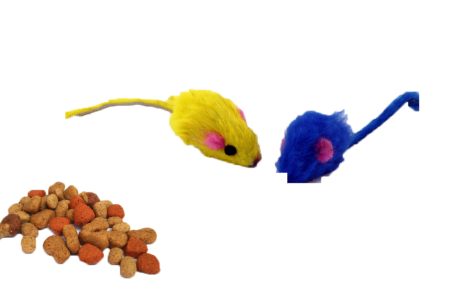
are using commercial cat treats, use the freeze dried or semi moist ones because you can pull these apart into much smaller pieces.
Do not overfeed the cat during training. Take into account the additional intake of food when providing the cat’s regular meals as the portion size may need to be reduced. If the cat is not food orientated, or excited by the prospect of a food treat, there are other rewards you can use (eg, playing with a toy). Some cats may enjoy a quick play with its favourite toy or a satisfying scratch under the chin. It may even prefer a combination of different rewards. Variety in reward can often keep a cat engaged in training.
5. Progress training by increasing the distance of the recall and try recalling from different areas in the house where the cat can hear but not see you. If at any stage the cat regresses and stops coming to you when called, revert back to the initial training stages.
Step 4: going outdoors
Once you have mastered the recall indoors, if the cat has outdoor access, start practising it in your garden. This will be significantly more challenging to maintain the cat’s attention due to the array of distractions so make sure the reward you are using is especially enticing. In similarity to training the recall indoors, the distance of the recall should gradually be built up as the cat’s confidence builds. It is important to remember that after you’ve rewarded the cat for the recall, you give it the opportunity to leave again if desired. This way the cat will not start to think that coming to you means it’ll always be restrained or restricted. This is especially important if you plan to use the recall outdoors – when the cat comes to you, reward it and then let it explore freely again to maintain training as a positive experience.A lure is something that entices or tempts the cat. A tempting treat placed just out of reach in front of the cat’s nose and then moved slowly away will encourage it to follow in an attempt to get the treat. Luring your cat using food in your hand should be done carefully. Many cats will have the temptation to swipe or bite at the food in an attempt to get it from your hand quickly as this is a natural hunting instinct. If this is the case, while the cat is still getting accustomed to the luring technique it is best that your hands are protected from claws or teeth by using either food tongs, a spoon, syringe or squeezy tube (designed for baby weaning).

Национальными партнерами ( national partners) ISFM являются организации, представляющие ветеринарных врачей разных стран мира, специализирующихся по болезням кошек.
Эстонию представляет ESFP. ESFP – Это некоммерческая организация, целями и задачей которой являются пропаганда дружественного отношения к кошкам и создание cat friendly clinic(s) в Эстонии, обучение врачей, интересующихся болезнями кошек и желающих быть cat friendly, а так же информирование ветеринарных врачей Эстонии о новостях в кошачьей медицине и датах ветеринарных мероприятий, конференций и онлайн вебинаров в Европе и Америке.
ESFP является дружественной организацией EVS ( Eesti Väikeloomaarstide Selts) и ELÜ ( Eesti Loomaarstide Ühing) и работа организации направлена на улучшение качества ветеринарной помощи кошачьим пациентам и создания более комфортной среды для кошек в ветеринарных клиниках Эстонии.
На сайте организации можно получить информацию для ветеринарных врачей и владельцев кошек, обучающие материалы и много другого интересного о кошках, их физиологии, поведении, проблем в поведении и методов их решения, научные новости и достижения в медицине кошек.


ISFM-i riiklikud partnerid on kassidele spetsialiseerunud loomaarste esindavad organisatsioonid üle kogu maailma.
Eestit esindab ESFP. ESFP on mittetulundusühing, mille eesmärk ja ülesanne on edendada kassisõbralikku suhtumist ja luua Eestisse kassisõbralikke kliinikuid, koolitada arste, kes on huvitatud kasside haigustest ja soovivad olla kassisõbralikud. Samuti kuulub ESFP valdkonda Eesti veterinaararstide teavitamine kasside meditsiini uudistest ning Euroopas ja Ameerikas toimuvate veterinaarsündmuste, konverentside ja veebinaride toimumisaegadest teavitamine.
ESFP teeb tihedat koostööd EVS-i (Eesti Väikeloomaarstide Selts) ja ELÜ-ga (Eesti Loomaarstide Ühing) ning organisatsiooni töö on suunatud kassidest patsientide veterinaarabi kvaliteedi parandamisele ja kassidele mugavama keskkonna loomisele Eesti veterinaarkliinikutes.
Organisatsiooni veebilehel on teavet veterinaararstidele ja kassiomanikele, õppematerjale ja palju muud huvitavat kasside, nende füsioloogia, käitumise, käitumisprobleemide ja nende lahendamise meetodite, teadusuudiste ja kassimeditsiini edusammude kohta.
ISFM’s national partners are organizations that represent veterinarians from all over the world who specialize in cat diseases.
Estonia is represented by the ESFP. ESFP is a non-profit organization, which goals and objectives are to promote cat friendly attitude and establish a cat friendly clinic(s) in Estonia, to train interested in cat diseases and want to be cat friendly doctors as well as to inform Estonian veterinarians about the news in cat medicine and the dates of veterinary events, conferences and online webinars in Europe and America.
ESFP is a friendly organization of EVS (Eesti Väikeloomaarstide Selts) and ELÜ (Eesti Loomaarstide Ühing) and work of the institution is aimed to improve the quality of veterinary care for feline patients and create a more comfortable environment for cats in veterinary clinics in Estonia.
On the website of non-profit organization, you can get information for veterinarians and cat owners, training materials and many other interesting things about cats, their physiology, attitude, problems in behaviour and methods of solving them, scientific news and achievements in cat medicine.
Eesti kasside praktiseerivate loomaarstide selts (Estonian Society of Feline Practitioners) asutaja ja president on dr. Olga Sjatkovskaja Haabersti Loomakliinik
Olga Sjatkovskaja kuulub erinevatesse rahvusvahelistesse organisatsioonidesse, mis ühendavad veterinaararste, kes on sügavuti seotud ning huvitatud kassihaigustest ( ISFM, ICatCare, AAFP, ABCD, ISCAID).
Alates 2000. aastast on dr. Sjatkovskaja osalenud aktiivselt rahvusvahelistel veterinaarkonverentsidel Euroopas ja Ameerikas, omandades uusi teadmisi ja jagades neid aktiivselt kolleegidega. Samuti on ta kassihaiguste lektor veterinaaride konverentsidel Eestis, Lätis, Venemaal, Ukrainas. Samuti annab ta loenguid kassihaiguste teemadel omanikele, kasvatajatele ja vabatahtlikele.
2019. aastal läbis dr Sjatkovskaja koolituse ning sai “kassiadvokaadi” diplomi – Cat Advocate ( Cat Friendly Vet Professional). 2020. aastal sai kliinik, kus Olga töötab, kassisõbraliku kliiniku staatuse (hõbe) (Cat Friendly Clinic). Sellega on kliinik esimene CFC mitte ainult Eestis, vaid kogu Baltikumis!
Kassiarmastus on nakkav! Kassisõbraliku kliiniku (Cat Friendly Clinic) edendamise ja ESFP arendamise korraldaja ning assistent on ka Haabersti Loomakliiniku loomaarst ning Olga kolleeg dr. Anna Simhes.
The founder and president of the Estonian Society of Feline Practitioners (Eesti Kassiaarstide Ühing) is Dr. Olga Sjatkovskaja Haabersti Loomakliinik
Olga Sjatkovskaja is a member of various international organizations, that unite veterinarians who are deeply engaged in cat diseases and interested in this issue ( ISFM, ICatCare, AAFP, ABCD, ISCAID).
Since 2000, Dr. Sjatkovskaja taking part in international European and American veterinary conferences receives new knowledge and actively shares it with colleagues. Lecturer on cat diseases at conferences for veterinarians in Estonia, Latvia, Russia, Ukraine. She is also a lecturer on cat diseases for owners, breeders and volnteers.
In 2019 Dr. Sjatkovskaja was trained and received a diploma of “Cat Advocate” (Cat Friendly Vet Professional) and in 2020, the clinic where Olga works gained the status of Cat Friendly Vet Professional (silver) and is the first CFC not only in Estonia, but also in the Baltic region!
Love for cats is contagious! The organizer , promotion assistant of the Cat Friendly Clinic in Estonia and the ESFP development is Dr. Anna Simches, a veterinarian at Haabersti Loomakliinik and Olga’s colleague.
Основателем и президентом Эстонского Общества врачей фелинологов ( Eesti Kassiaarstide Ühing, Estonian Society of Feline Practitioners) является др. Ольга Сятковская Haabersti Loomakliinik
Ольга Сятковская является членом различных международных организаций, объединяющих ветеринарных врачей, углубленно занимающихся и интересующихся болезнями кошек ( ISFM, ICatCare, AAFP, ABCD, ISCAID).
С 2000 года др. Сятковская активно участвует в международных ветеринарных конференциях Европы и Америки, получает новые знания и активно делится ими с коллегами. Лектор по болезням кошек на конференциях для ветеринарных врачей Эстонии, Латвии, России, Украины. Так же является лектором по болезням кошек для владельцев, заводчиков и волонтеров приютов.
В 2019 году др.Сятковская прошла обучение и получила диплом « кошачьего адвоката» – Cat Advocate ( Cat Friendly Vet Professional) и в 2020 году клиника, где работает Ольга , получила статус Cat Friendly Clinic ( silver) – и является первой CFC не только в Эстонии, но и в Прибалтике!
Любовь к кошкам заразна! Организатором и помощником в продвижении Cat Friendly Clinic в Эстонии и развитии ESFP является также др. Анна Симхес, ветеринарный врач Haabersti Loomakliinik и коллега Ольги.