We all know that cats are different from dogs but we sometimes forget that the whole process of domestication of the cat has evolved far more slowly and has been based largely on a shared but independent association between the two species. No wonder that cats are seen as being more self-sufficient than dogs and that they choose when to associate with humans and when to maintain their distance.
In general, cats try to hide any form of weakness or pain. As a result, we have become more dependent, in veterinary clinics, on the observations and feedback of the cat owner in building up a picture of what is going on with a feline patient. Owners are often aware of subtle changes in their cats’ behaviour and, in most cases, asking cat owners to share in the management of their pet’s health or sickness is well received. In contrast to dogs, many cats cost their owners nothing to obtain, but this doesn’t diminish the strength of the bond that exists between the cat and the owner.
Indeed many people would rather spend time with their cat than with anyone else, and many acquire their cat expressly for companionship.
In this section:

In many countries, the profile of the cat owner shows the majority are female and between 30 and 45 years old. At this stage in life time, family and career are dominant pressures and lives are often very busy. The more independent and self-sufficient nature of the cat makes it appealing as a pet. Additionally, as a result of modern lifestyles and employment trends it is recognised that keeping a dog is often more difficult both for families and individuals.
The typical lifespan of a cat is now 12 to 15 years or more, with a growing number living to 16 years and beyond. So, not only do we have more cats as pets but cats are living longer in caring homes. Without doubt, the rising numbers and changes in style and expectation of cat ownership represent a real opportunity for veterinary clinics worldwide. The veterinary clinic can play a major part in making cats’ lives healthier, happier and longer, and there is a real opportunity to help bond the owner strongly to the clinic.
Anecdotally it is thought most owners would see themselves as committed to their cats, but may still need prompting to visit the veterinarian, especially to undertake preventive care. They largely understand what is needed and why, but need further motivation to overcome inertia, the interruptions of daily life, or the anticipated stress and difficulty of a veterinary visit. We all recognise – perhaps even in ourselves – the well meaning, but distracted, cat owner who fully intends to do everything properly but, somehow, life gets in the way.
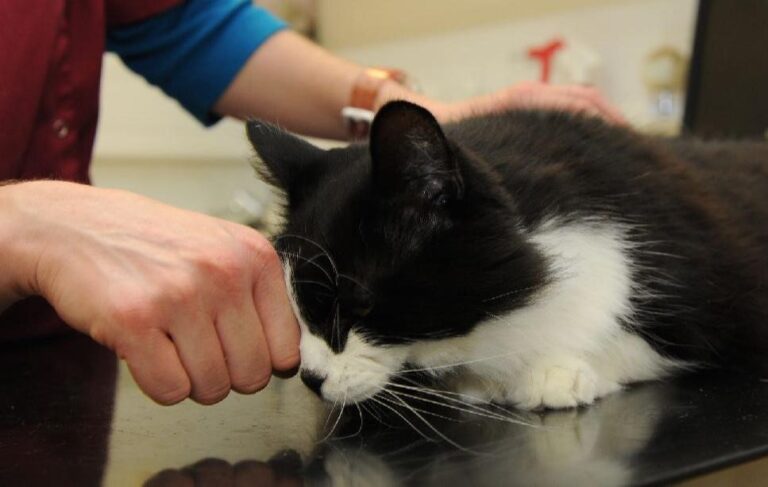
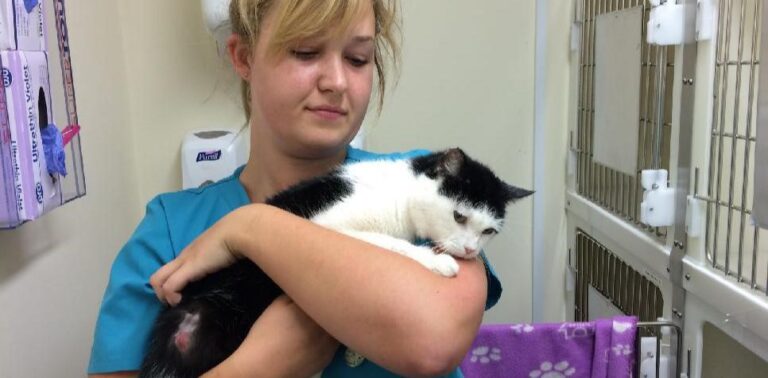
Making the clinic visit a less stressful and more positive experience will greatly help to overcome barriers and resistance.
The large and potentially profitable section of society who owns and cares for their cats could help veterinarians develop and grow clinics, if they can be motivated to join in managing their cats’ health and wellbeing.
Many cats may never see a veterinarian. Many kitten owners attend the clinic for initial vaccinations, neutering, but then drift away, never to be seen again unless the cat falls seriously ill. In some cases this may be due to ignorance of what responsible pet ownership entails and for others it is simply lack of commitment. For others though, the difficulty (or anticipated difficulty) of getting their cat to the clinic, perhaps the fear of having to hold it for an examination, and being confronted with a hostile environment for the cat, puts them off.

The importance of cats to every small animal clinic cannot be ignored – there are lots of cats out there! While many cats are not pedigree animals, when approached properly, most cat owners are prepared to spend just as much on their cats as dog owners are on their canine friends. The majority of cat owners though have strong views on what they expect from their clinic, and every client will be profoundly influenced by the experience they have during a clinic visit.
There’s a growing trend for clients to use more than one clinic, indicating there are compelling reasons for delivering the very best and most persuasive care to cat-owning clients.
Annual feline spending and average transactional values have both continued to rise by similar values over several years in many countries, but many veterinarians still seem to regard dogs as the preferred growth area. However, the reality is, that in many countries there is a stable or shrinking canine pet population and a growing urban intolerance of dogs – these factors clearly suggest that the dominant position dogs have previously held in the generation of clinic turnover cannot last. Data from a number of countries also show an increasing willingness of cat owners to attend the clinic and a willingness to spend on healthcare for their pets. For example, in the UK, data shows that cat owners are more likely than dogs owners to purchase and use a life-stage diet and are more likely to purchase and use some preventive healthcare products such as flea treatments and wormers.
As with humans, the feline population is an ageing one, and almost half the cats in much of Europe and America are aged 8 years and over, with many cats surviving well beyond the average 12 to 15 years. This provides important opportunities for veterinarians to become actively involved in managing the health of these patients and, in those countries where veterinary nurses are recognised, these trained staff members have a vital role to play in providing education and practical advice, as well as promoting the many services their clinic can offer its cat-owning clients.
Managing and maintaining the health of feline patients is a far better approach to building productive long-term relationships with clients, than simply providing the limited fire-brigade style of treatment when the cat becomes sick. It will not only provide for the lifelong healthcare of the cat, but will also prove to be a far better way of maximising the clinic’s business potential with these clients.
Not every owner will grasp every opportunity to follow a recommended healthcare plan. While some owners will do absolutely everything they are asked, others may do so sporadically or reluctantly. However, when the clinic demonstrates, and owners understand, that they can genuinely work together to help maintain the health, welfare and longevity of their pets, most owners are willing to commit to such a proposition and to discuss how this can be achieved.
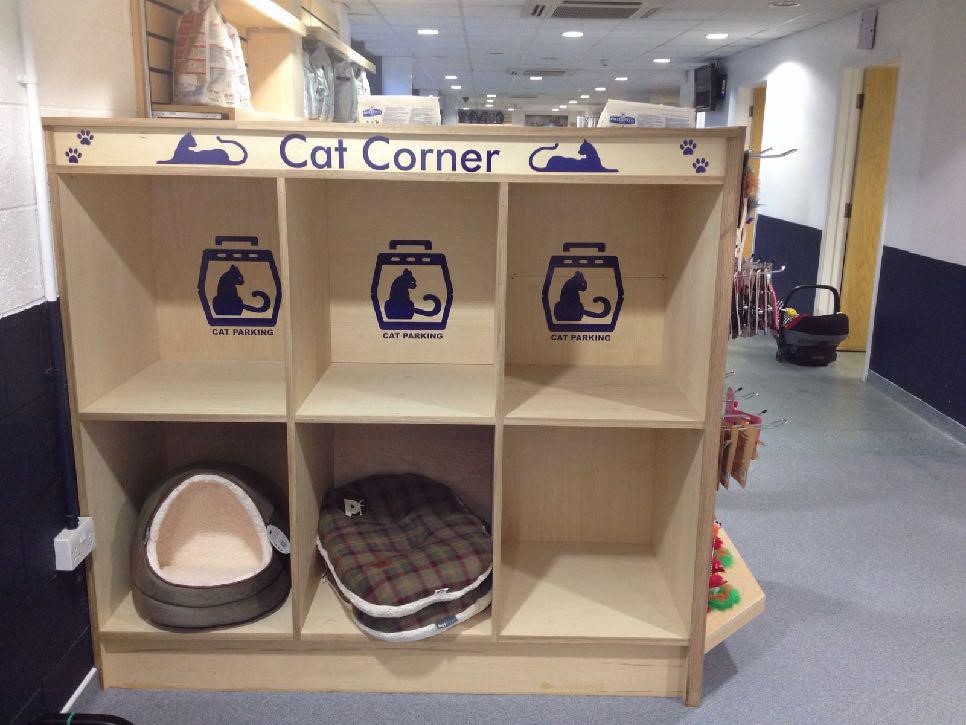
A critical step is to make the clinic really cat friendly, and thus to encourage cat owners to visit and then to address their unique needs.
How can cat clients be encouraged to ‘do the right thing’? How can veterinarians ensure that the cats under their care receive the best possible healthcare throughout their lives? What is needed is a clear partnership of care between the vet and the cat’s owner – making the cat welcome in the clinic and engaging in an effective healthcare plan. Such a partnership aims to provide a clear platform for vets and owners alike to ensure that cats can enjoy long, happy, healthy lives, and not just attending to sickness and emergencies.
The Cat Care for Life programme also developed by ISFM with the support of Boehringer Ingelheim, IDEXX Laboratories and Royal Canin provides a ‘blueprint’ for this partnership to keep cats healthy throughout their different life stages (see www.catcareforlife.org for more details).
Helping cat owners with all aspects of the clinic visit, and engaging them more effectively can make a huge difference to what they are prepared to do with preventive care. When ISFM ran a Cat Friendly Practice programme and competition in the UK during 2006 and 2007, the results demonstrated that increased knowledge and understanding of cats pays real dividends, as illustrated by these quotations from participating clinics:
“There is greater readiness to take part in proactive and preventative healthcare. This probably stems from our own changed approach – we, in turn, are more proactive in promoting it to the clients.”
“Our understanding of cat needs is greater; our clients pick up on our greater interest and knowledge. We know that our regular cat clients talk to their friends and recommend us as a practice that is good with cats.”
Making clinics more ‘cat friendly’ is the first, but critical, step in the provision of wider healthcare for cats hence the development of the CFC programme. This Guide gives some background on the cat, detailed practical information on making a clinic cat friendly, and explains how you can apply to become an accredited ISFM CFC. This will demonstrate to your cat-owning clients that yours is a clinic with a real difference.
In an increasingly competitive market, cats undoubtedly offer the way forward, even though this may require veterinarians to think about veterinary medicine a little differently. The vast and increasing size of the retail markets indicates the enormous potential available to those veterinary clinics that are willing to engage with active, new and lapsed clients in making a determined effort to demonstrate that ‘cats mean business’.


Национальными партнерами ( national partners) ISFM являются организации, представляющие ветеринарных врачей разных стран мира, специализирующихся по болезням кошек.
Эстонию представляет ESFP. ESFP – Это некоммерческая организация, целями и задачей которой являются пропаганда дружественного отношения к кошкам и создание cat friendly clinic(s) в Эстонии, обучение врачей, интересующихся болезнями кошек и желающих быть cat friendly, а так же информирование ветеринарных врачей Эстонии о новостях в кошачьей медицине и датах ветеринарных мероприятий, конференций и онлайн вебинаров в Европе и Америке.
ESFP является дружественной организацией EVS ( Eesti Väikeloomaarstide Selts) и ELÜ ( Eesti Loomaarstide Ühing) и работа организации направлена на улучшение качества ветеринарной помощи кошачьим пациентам и создания более комфортной среды для кошек в ветеринарных клиниках Эстонии.
На сайте организации можно получить информацию для ветеринарных врачей и владельцев кошек, обучающие материалы и много другого интересного о кошках, их физиологии, поведении, проблем в поведении и методов их решения, научные новости и достижения в медицине кошек.


ISFM-i riiklikud partnerid on kassidele spetsialiseerunud loomaarste esindavad organisatsioonid üle kogu maailma.
Eestit esindab ESFP. ESFP on mittetulundusühing, mille eesmärk ja ülesanne on edendada kassisõbralikku suhtumist ja luua Eestisse kassisõbralikke kliinikuid, koolitada arste, kes on huvitatud kasside haigustest ja soovivad olla kassisõbralikud. Samuti kuulub ESFP valdkonda Eesti veterinaararstide teavitamine kasside meditsiini uudistest ning Euroopas ja Ameerikas toimuvate veterinaarsündmuste, konverentside ja veebinaride toimumisaegadest teavitamine.
ESFP teeb tihedat koostööd EVS-i (Eesti Väikeloomaarstide Selts) ja ELÜ-ga (Eesti Loomaarstide Ühing) ning organisatsiooni töö on suunatud kassidest patsientide veterinaarabi kvaliteedi parandamisele ja kassidele mugavama keskkonna loomisele Eesti veterinaarkliinikutes.
Organisatsiooni veebilehel on teavet veterinaararstidele ja kassiomanikele, õppematerjale ja palju muud huvitavat kasside, nende füsioloogia, käitumise, käitumisprobleemide ja nende lahendamise meetodite, teadusuudiste ja kassimeditsiini edusammude kohta.
ISFM’s national partners are organizations that represent veterinarians from all over the world who specialize in cat diseases.
Estonia is represented by the ESFP. ESFP is a non-profit organization, which goals and objectives are to promote cat friendly attitude and establish a cat friendly clinic(s) in Estonia, to train interested in cat diseases and want to be cat friendly doctors as well as to inform Estonian veterinarians about the news in cat medicine and the dates of veterinary events, conferences and online webinars in Europe and America.
ESFP is a friendly organization of EVS (Eesti Väikeloomaarstide Selts) and ELÜ (Eesti Loomaarstide Ühing) and work of the institution is aimed to improve the quality of veterinary care for feline patients and create a more comfortable environment for cats in veterinary clinics in Estonia.
On the website of non-profit organization, you can get information for veterinarians and cat owners, training materials and many other interesting things about cats, their physiology, attitude, problems in behaviour and methods of solving them, scientific news and achievements in cat medicine.
Eesti kasside praktiseerivate loomaarstide selts (Estonian Society of Feline Practitioners) asutaja ja president on dr. Olga Sjatkovskaja Haabersti Loomakliinik
Olga Sjatkovskaja kuulub erinevatesse rahvusvahelistesse organisatsioonidesse, mis ühendavad veterinaararste, kes on sügavuti seotud ning huvitatud kassihaigustest ( ISFM, ICatCare, AAFP, ABCD, ISCAID).
Alates 2000. aastast on dr. Sjatkovskaja osalenud aktiivselt rahvusvahelistel veterinaarkonverentsidel Euroopas ja Ameerikas, omandades uusi teadmisi ja jagades neid aktiivselt kolleegidega. Samuti on ta kassihaiguste lektor veterinaaride konverentsidel Eestis, Lätis, Venemaal, Ukrainas. Samuti annab ta loenguid kassihaiguste teemadel omanikele, kasvatajatele ja vabatahtlikele.
2019. aastal läbis dr Sjatkovskaja koolituse ning sai “kassiadvokaadi” diplomi – Cat Advocate ( Cat Friendly Vet Professional). 2020. aastal sai kliinik, kus Olga töötab, kassisõbraliku kliiniku staatuse (hõbe) (Cat Friendly Clinic). Sellega on kliinik esimene CFC mitte ainult Eestis, vaid kogu Baltikumis!
Kassiarmastus on nakkav! Kassisõbraliku kliiniku (Cat Friendly Clinic) edendamise ja ESFP arendamise korraldaja ning assistent on ka Haabersti Loomakliiniku loomaarst ning Olga kolleeg dr. Anna Simhes.
The founder and president of the Estonian Society of Feline Practitioners (Eesti Kassiaarstide Ühing) is Dr. Olga Sjatkovskaja Haabersti Loomakliinik
Olga Sjatkovskaja is a member of various international organizations, that unite veterinarians who are deeply engaged in cat diseases and interested in this issue ( ISFM, ICatCare, AAFP, ABCD, ISCAID).
Since 2000, Dr. Sjatkovskaja taking part in international European and American veterinary conferences receives new knowledge and actively shares it with colleagues. Lecturer on cat diseases at conferences for veterinarians in Estonia, Latvia, Russia, Ukraine. She is also a lecturer on cat diseases for owners, breeders and volnteers.
In 2019 Dr. Sjatkovskaja was trained and received a diploma of “Cat Advocate” (Cat Friendly Vet Professional) and in 2020, the clinic where Olga works gained the status of Cat Friendly Vet Professional (silver) and is the first CFC not only in Estonia, but also in the Baltic region!
Love for cats is contagious! The organizer , promotion assistant of the Cat Friendly Clinic in Estonia and the ESFP development is Dr. Anna Simches, a veterinarian at Haabersti Loomakliinik and Olga’s colleague.
Основателем и президентом Эстонского Общества врачей фелинологов ( Eesti Kassiaarstide Ühing, Estonian Society of Feline Practitioners) является др. Ольга Сятковская Haabersti Loomakliinik
Ольга Сятковская является членом различных международных организаций, объединяющих ветеринарных врачей, углубленно занимающихся и интересующихся болезнями кошек ( ISFM, ICatCare, AAFP, ABCD, ISCAID).
С 2000 года др. Сятковская активно участвует в международных ветеринарных конференциях Европы и Америки, получает новые знания и активно делится ими с коллегами. Лектор по болезням кошек на конференциях для ветеринарных врачей Эстонии, Латвии, России, Украины. Так же является лектором по болезням кошек для владельцев, заводчиков и волонтеров приютов.
В 2019 году др.Сятковская прошла обучение и получила диплом « кошачьего адвоката» – Cat Advocate ( Cat Friendly Vet Professional) и в 2020 году клиника, где работает Ольга , получила статус Cat Friendly Clinic ( silver) – и является первой CFC не только в Эстонии, но и в Прибалтике!
Любовь к кошкам заразна! Организатором и помощником в продвижении Cat Friendly Clinic в Эстонии и развитии ESFP является также др. Анна Симхес, ветеринарный врач Haabersti Loomakliinik и коллега Ольги.